
Melanoma Detection In Ipswich
Early detection is essential for successful melanoma treatment
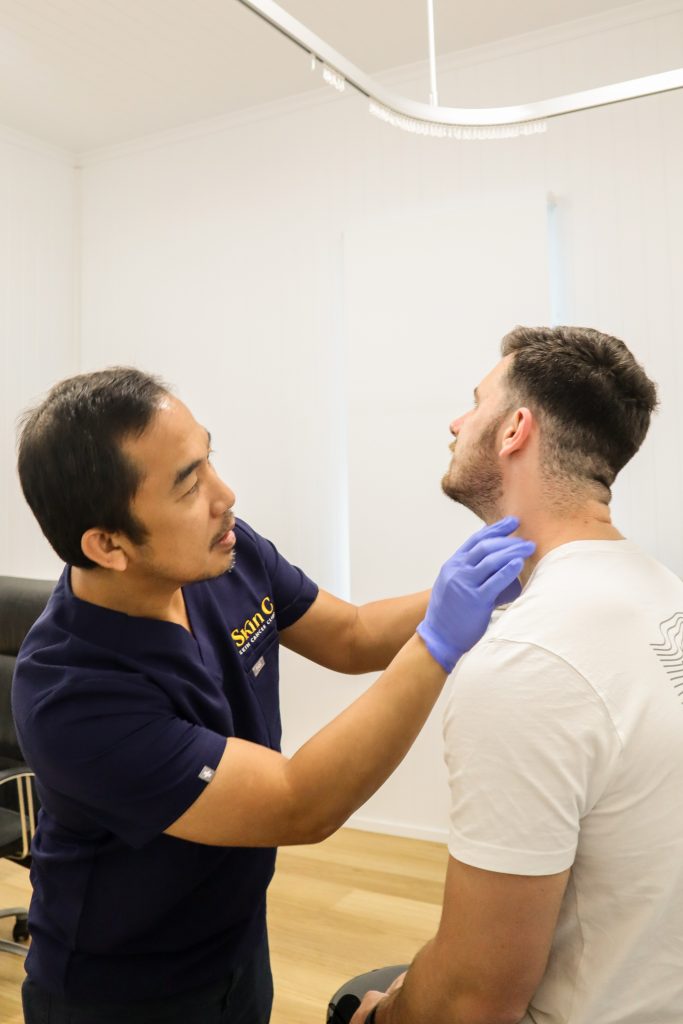
Early melanoma detection is critical for effective treatment and better outcomes. At our Ipswich skin cancer clinic, we provide thorough skin checks and advanced diagnostic techniques to identify melanoma at its earliest stages.
We support patients across Ipswich, Springfield, Ripley and surrounding areas with professional, reliable skin cancer detection and care.
No referral needed. Fast appointments available
What Is Melanoma?
Melanoma is a type of skin cancer that develops in the pigment-producing cells of the skin called melanocytes. It can appear anywhere on the body and often presents as a new mole or changes in an existing mole, such as changes in size, shape, or colour.
Melanoma is considered the most serious form of skin cancer, but when detected early, treatment is highly effective. Regular skin checks are important, especially in high UV regions like Ipswich and across Queensland.
Melanoma is more common in Queensland due to high UV exposure, making regular skin checks essential.
Why Is Melanoma Detection Crucial?
Due to high UV exposure in Ipswich and across Queensland, melanoma rates are among the highest in the world. Early detection is critical for successful treatment:
Early-stage melanoma is highly treatable
Delayed detection increases risk of spread
Regular skin checks improve long-term outcomes
High Mortality Rate
Melanoma can spread quickly if left undiagnosed and untreated.
Early Detection Saves Lives
When caught early, melanoma can often be treated with simple procedures like excision.
Comprehensive Care
We provide ongoing monitoring, treatment, and follow-up care to ensure the best outcomes.
Increasing Incidence
Melanoma rates are rising globally, making regular skin checks more important than ever.
What does Melanoma Look Like?
Melanoma can vary in appearance and may look different from a normal mole or skin spot. It is important to pay attention to any changes on your skin over time.
Common signs that may indicate melanoma include:
• A mole that looks different from others on your skin
• A spot that changes in size, shape, or colour
• Irregular or uneven borders
• Multiple colours within the same mole (brown, black, red, or white)
• A sore that does not heal or continues to change
Melanoma does not always follow a single pattern, which is why any new or changing skin lesion should be checked by a medical professional.
If you notice new or changing spots, book a professional skin check with our clinic.
How We Detect Melanoma
At our Ipswich skin cancer clinic, we use advanced methods to detect melanoma early and accurately.
Our approach includes:
• Full skin checks to examine the entire body for suspicious lesions
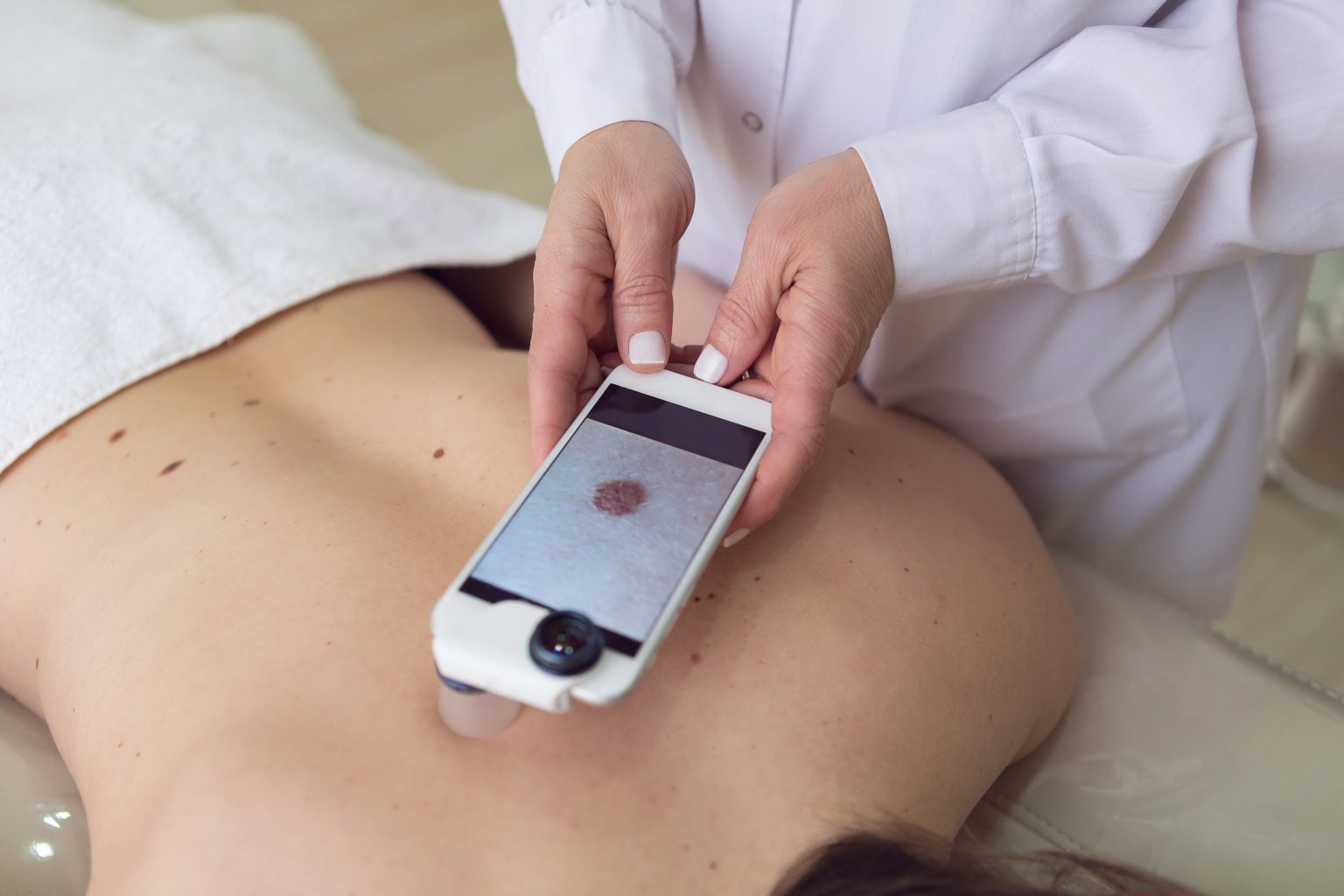
• Digital skin photography and total body photography to monitor changes over time
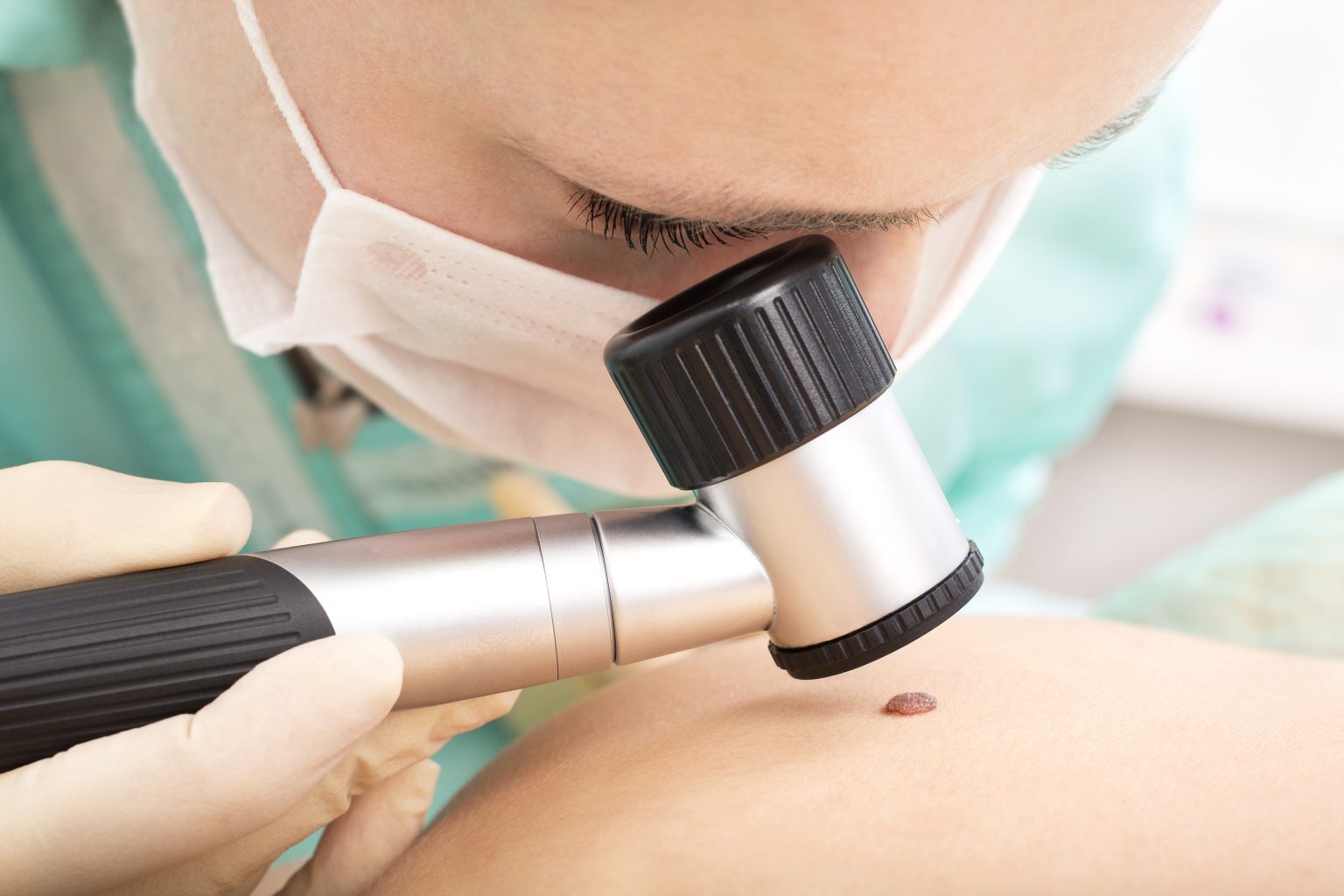
• Dermoscopic examination for detailed assessment of skin spots
• Biopsy and diagnosis when a lesion requires further testing
If melanoma is detected, treatment options may include surgical removal and referral for advanced therapies where necessary.
For patients who need ongoing monitoring, we also offer mole mapping through our dedicated Mole Check service.
How Melanoma is treated
Treatment depends on the stage and location of the melanoma. In most cases, early melanoma can be removed with a simple surgical procedure. If a more advanced melanoma is detected, we coordinate timely referrals for further treatment and specialist care.
Who Is at higher risk of melanoma?
You may be at higher risk if you have:
Fair skin, light eyes or light hair
Many moles or atypical moles
A history of sunburns
A family history of Melanoma
High UV exposure (common in Queensland)
Your questions answered
FAQ
Queensland has the highest rate of melanoma in the world. Early detection significantly improves treatment outcomes and can be life-saving, making regular skin checks especially vital.
If a mole or spot appears suspicious, your doctor will usually perform a biopsy—removing a small tissue sample for lab testing to confirm whether it is melanoma.
Management depends on the stage and type. Early-stage melanomas are often treated with surgical removal. More advanced cases may involve specialist referral for immunotherapy, targeted therapy, or further imaging.
Yes, melanoma can recur, especially if not detected early. Regular follow-ups and skin checks are essential for monitoring and reducing the risk of recurrence.
Most people benefit from having a professional skin check every 12 months. However, you may need more frequent checks if you have a history of skin cancer, many moles, fair skin, or spend a lot of time in the sun. Your doctor can recommend the right follow-up schedule based om your individual risk factors.
Early signs of melanoma often involves a new spot on the skin or a change in an existing mole. Things to look out for include:
- a mole that changes in size, shape or colour
- a spot that looks different from other moles
- a mole with irregular or blurred borders
- a spot with multiple colours or darkening a mole that becomes itchy, tender or starts to bleed
If you notice any of these changes, it’s important to book a professional skin check. Early detection greatly improves treatment outcomes.
Book Your Melanoma Screening Today
Schedule your melanoma screening now for early detection and peace of mind.